
Decks and Patios Built Back to Usable Condition
Patio and deck cleaning in Waynesville for surfaces with years of buildup, biological growth, or compromised grip
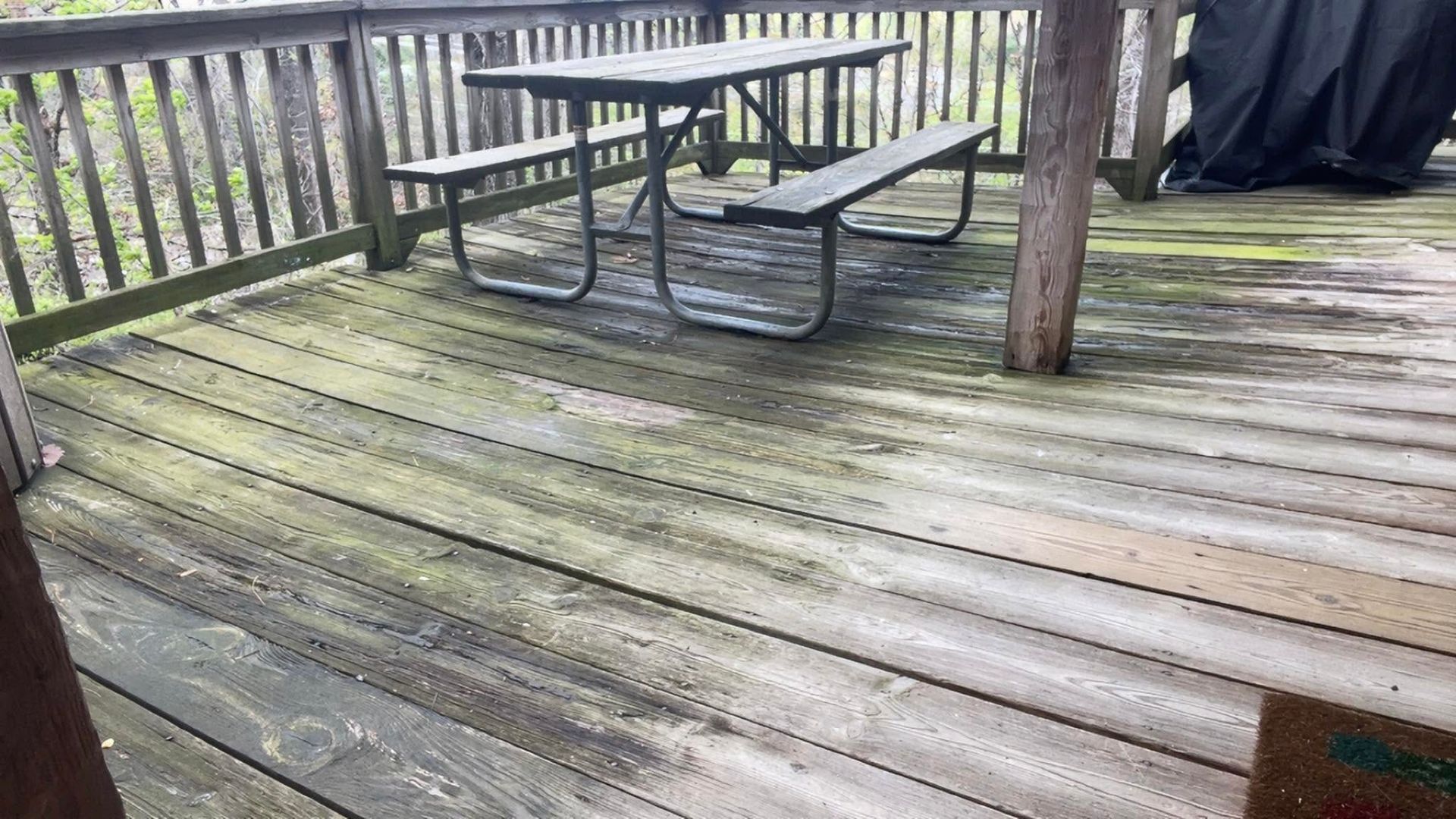
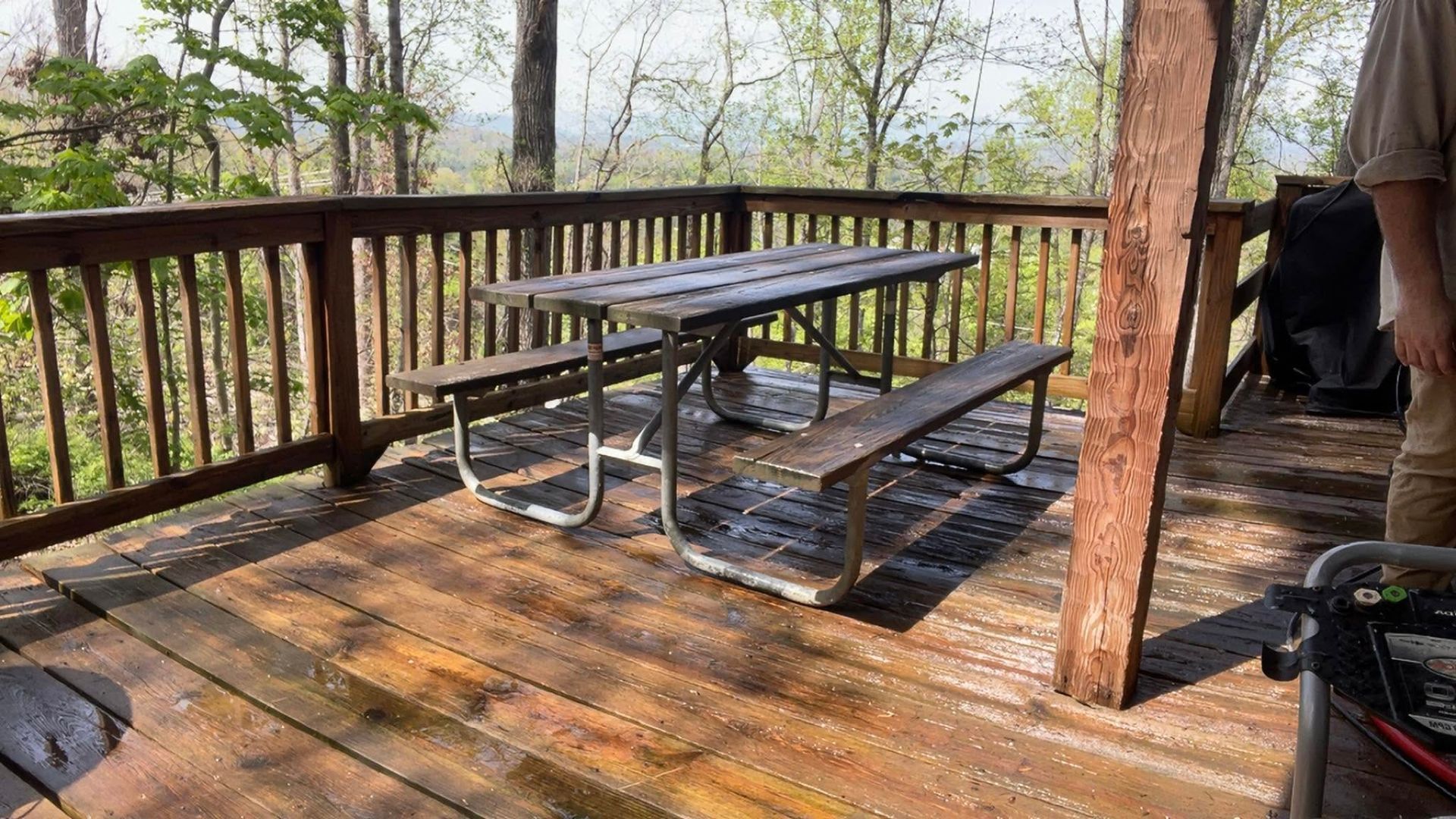
The texture of a deck or patio surface is the first thing that changes when biological growth takes hold. Composite decking develops a slick film across high-traffic sections; stone pavers lose their grip surface as algae fills the textured face; pressure-treated wood turns gray-green rather than its natural tone. TruePeak Exterior Solutions uses soft wash and controlled low-pressure methods to remove that buildup from wood, composite, and stone surfaces without opening wood grain, stripping composite finishes, or dislodging mortar between paver joints.
Material identification is the first step on every deck and patio job. Pressure-treated wood, composite planking, natural stone, and concrete pavers each respond differently to cleaning pressure and solution type. High pressure is the wrong tool for composite—it frays the surface texture and can leave visible track marks from the nozzle path that are permanent. For wood, high pressure raises the grain and drives water into the end grain of boards, which accelerates checking. TruePeak applies appropriate cleaning solutions to dwell on the surface before rinsing, which means the buildup is chemically loosened before any water force is used, reducing the pressure needed and protecting the material underneath.
Schedule a material evaluation to confirm the right cleaning approach for your deck or patio before work begins.
What Proper Deck and Patio Cleaning Requires
Selecting the correct solution concentration and dwell time is as important as the equipment used. Organic growth—algae, mold, and mildew—is not simply sitting on the surface; it adheres to porous materials and penetrates the textured face of composite and stone. A cleaning agent applied at the correct concentration and allowed to fully react before rinsing removes the organism rather than displacing the top layer. TruePeak is fully insured and handles wood, composite, and stone as distinct materials with distinct protocols rather than applying one method across all surface types.
After cleaning, composite decking returns to a uniform color without the darker patches that develop in shaded sections under patio furniture or planters.
Stone pavers recover their grip texture, which is observable by running a hand across the face—the cleaned surface catches friction where the algae-covered surface was smooth. Wood decking comes back to a consistent grain color and the surface no longer feels soft or spongy underfoot, which is the tactile indicator of biological growth holding moisture against the boards.
Clients who schedule deck or patio cleaning alongside another service—house washing, for example—are eligible for the same-day 15 percent discount on the upsell if the additional scope is identified during the appointment. Homes in Maggie Valley and Canton with attached wood decks and stone patio areas often schedule both together since the equipment is already on site and the method transition between services is straightforward.
Answers About How the Work Is Done
The questions below focus on how deck and patio cleaning is performed for different surface materials and what property owners can expect after the work is complete.
Why is high pressure the wrong method for composite decking?
Composite planking has a textured surface layer that high pressure physically frays, leaving visible nozzle-track marks across the deck field that cannot be reversed; low-pressure soft wash removes buildup without contacting the surface with enough force to alter the texture.
What cleaning solution is used on stone pavers versus wood decking?
Stone pavers tolerate slightly higher solution concentrations and can handle more rinse pressure than wood; wood decking requires a gentler approach where solution dwell time does most of the cleaning work so that rinse pressure stays low enough to avoid raising the grain.
How does biological growth affect the grip surface of a patio?
Algae fills the textured pores of stone and composite surfaces and creates a smooth, slick film across the face; once removed, the natural texture of the material is exposed again and the grip surface is restored to what it was before colonization.
What should you check after a deck cleaning to confirm the work was done correctly?
On composite, look for uniform color across the entire field without darker patches in previously shaded areas; on wood, the surface should feel consistent underfoot without soft spots, and the grain color should be even across all boards rather than varying by how much sun exposure each section received.
When does a deck or patio need cleaning versus refinishing or sealing?
Cleaning removes biological growth and surface buildup; if the wood or composite surface has physical damage—checking, splintering, deep staining from embedded minerals—those conditions require refinishing or board replacement rather than cleaning alone, and identifying which situation applies is part of the on-site assessment.
TruePeak Exterior Solutions also
cleans decks and patios in Maggie Valley, Asheville, Black Mountain, Canton, and Clyde. To discuss your surface material and schedule service, call TruePeak at (828)-519-0046 and a crew member will confirm the method and timeline for your property.