
Fences Restored Without Surface Damage
Fence cleaning in Waynesville for wood, vinyl, and composite fencing showing mold, algae, or embedded staining
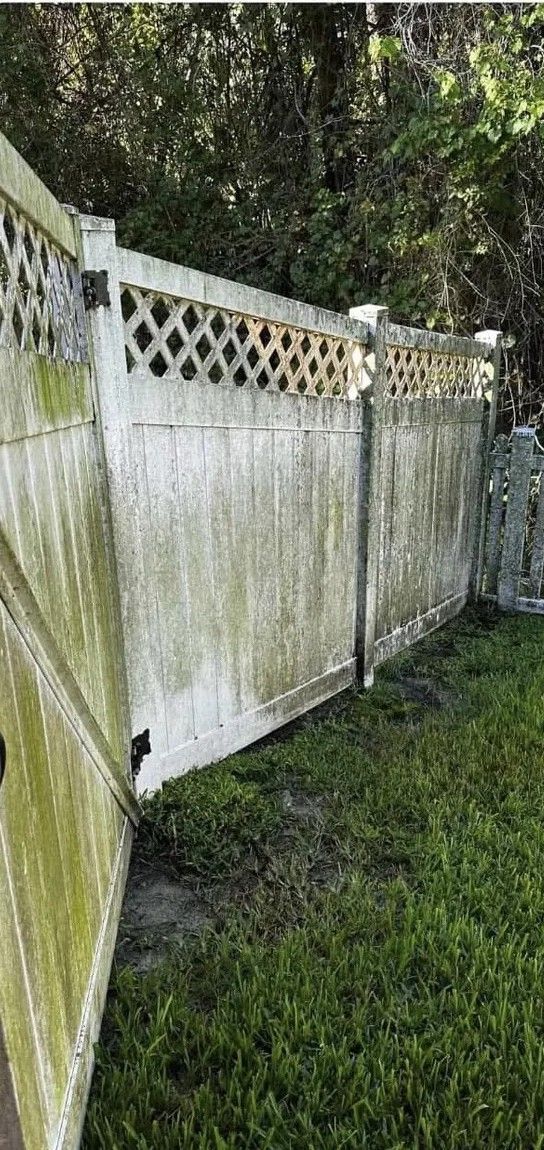
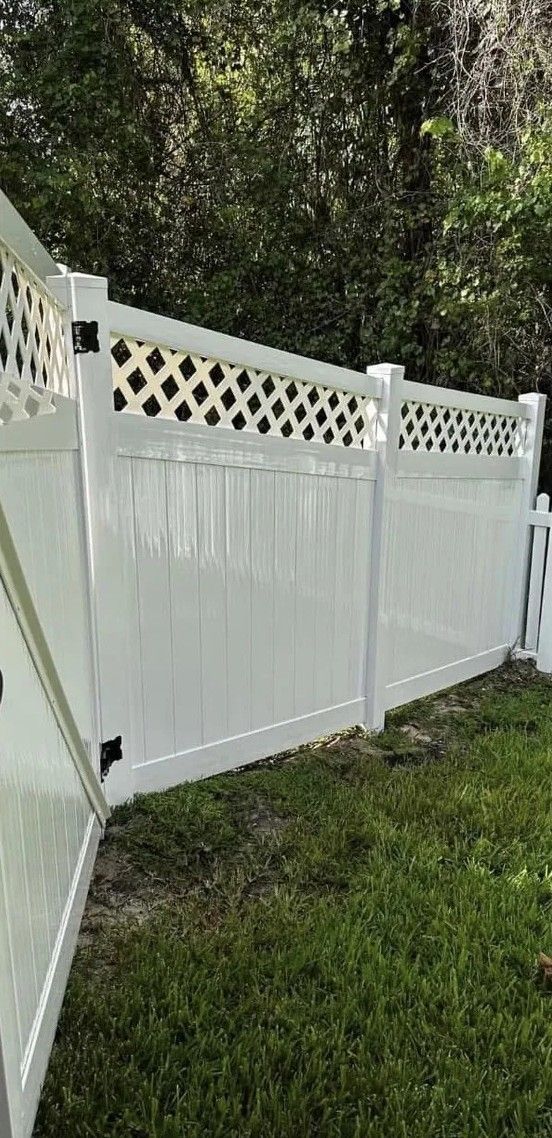
A fence coated in green algae or dark mold streaks is not just a cosmetic issue—biological growth traps moisture against the surface, and on wood fencing that accelerates fiber breakdown and shortens the useful life of the boards. TruePeak Exterior Solutions addresses this directly by cleaning residential and commercial fencing in Waynesville using pressure and soft wash methods selected for the specific material involved. The difference between a fence that looks restored after cleaning and one that looks worn is almost always the method used, not the time spent on it.
Before any water or solution is applied, the crew assesses the fence material on site. Wood requires substantially more care than vinyl or composite—high pressure applied to cedar or pine boards opens the grain, raises splinters, and can split boards at knot locations if the technician holds the nozzle too close. Vinyl and composite handle standard cleaning solutions without the same risk, though improper chemical concentration can dull certain composite finishes. TruePeak works the full fence perimeter systematically rather than spot-treating visible stains, because algae growth spreads across the entire surface even when it only becomes visually obvious in shaded sections first.
Arrange an on-site material assessment and get a clear method and scope for your fence before any work begins.
Why Material Identification Drives Every Method Decision
The single most important step in fence cleaning happens before the equipment is turned on. Identifying whether the fence is pressure-treated pine, cedar, vinyl, or a composite blend determines which pressure range is safe, which cleaning agents are appropriate, and whether a soft wash dwell period is needed to loosen embedded staining before rinsing. Skipping this step and applying the same protocol to every fence is the primary reason wood fencing sustains visible surface damage from cleaning.
Once the correct method is applied, the change in the fence's appearance is immediate and measurable. Wood fencing recovers its natural grain color rather than the gray-green cast that algae creates; vinyl returns to a consistent white or color tone without streaking; composite surfaces lose the slick biofilm layer that makes them feel greasy underfoot along gate thresholds and ledge rails.
Staining from tannin run-off—common on wood fences installed under tree canopy—responds to appropriate pre-treatment solutions rather than pressure alone.
Commercial fencing, including perimeter chain-link with vinyl privacy slats and wooden stockade fencing around commercial properties in Canton, presents the same material-specific considerations as residential work at a larger scale. TruePeak handles both, and the scope—whether a single residential fence run or a full commercial perimeter—is addressed with the same on-site material check before any method is committed.
Common Questions About This Service
The following questions address how fence cleaning is performed, what drives the method choices, and what property owners can expect from the finished result on different fence materials.
How does wood fence cleaning differ from vinyl fence cleaning?
Wood requires controlled pressure and careful solution concentration to avoid raising the grain or splitting boards at knots, while vinyl and composite tolerate standard cleaning solutions more easily; the crew identifies the material on site and adjusts both pressure settings and chemical mix before starting.
What causes algae and mold to grow on fencing in the first place?
Shaded sections of a fence that retain moisture after rain—particularly on north-facing runs or beneath tree canopy—create the conditions where algae and mold colonize fastest, and growth spreads across the surface even before it becomes uniformly visible.
How is tannin staining on wood fencing treated differently from algae?
Tannin run-off from overhead trees bonds into the wood surface and does not respond to pressure alone; a targeted pre-treatment solution is applied first and allowed to dwell before the surface is rinsed, which breaks down the stain without requiring pressure levels that would damage the wood fiber.
What does a properly cleaned fence look like when the work is finished?
Wood fencing returns to its natural grain color uniformly across the panels; vinyl shows a consistent base color without the dark streaking that algae leaves along horizontal rails; composite surfaces feel firm and clean at contact points like gate edges rather than having a slick biofilm layer.
Why is cleaning the full fence perimeter better than spot-treating visible staining?
Algae and mold are present across the full surface even when they only appear concentrated in one section; treating only the visible growth leaves the remaining organism in place, and re-colonization of the cleaned section happens faster when untreated growth surrounds it.
TruePeak Exterior Solutions also performs fence cleaning in Asheville, Black Mountain, Canton, Maggie Valley, and Clyde. To schedule an assessment or discuss the material and condition of your fence, call TruePeak at (828)-519-0046 and a crew member will confirm the method and scope before the appointment is set.